
Uncorking the Cape: South Africa’s New Wine Generation
- Regular price
- $20.00
- Regular price
-
- Sale price
- $20.00
- Unit price
- per
Event Date Thursday, Feb. 5, 6 - 7:30 pm
Event Type Seminar
Event Details
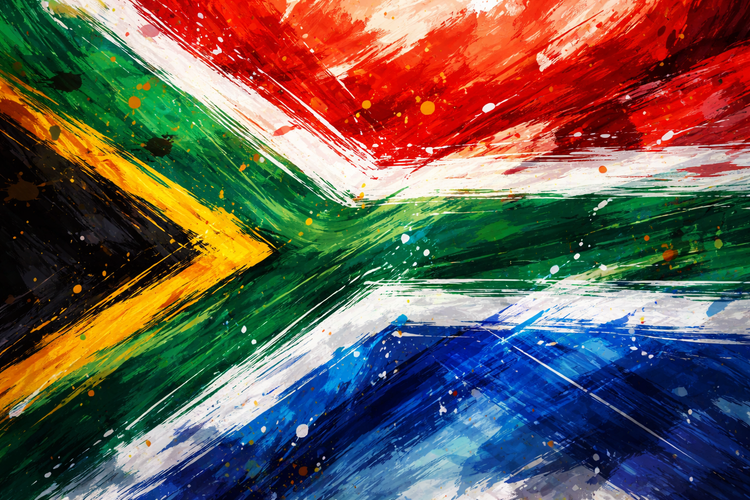
Wine has been made in South Africa for more than 369 years, and yet it is still routinely filed away as a “New World” wine country. In truth, no other so-called New World region has a longer continuous viticultural history. What South Africa lacked for much of that time was not tradition, but opportunity.
The 20th century told a complicated story. The rise of the KWV and large co-operatives prioritized volume over character, while decades of political isolation during Apartheid cut South African producers off from global conversation, competition, and critique. The raw materials were always there—astonishingly old soils, dramatic maritime climates, and a deep bench of European grape varieties—but the conditions for greatness were delayed.
Change arrived in stages. A codified system of wine laws in 1973. The formal establishment of geographic wine regions in 1993. And, most decisively, the end of Apartheid in 1994, which reopened South Africa to the world and allowed a new generation of winemakers to travel, taste, learn, and return home with fresh eyes.
What is happening now is nothing short of a renaissance. As Jancis Robinson has noted repeatedly, today’s most compelling South African wines are driven by a profound shift in values: away from formula and extraction, toward restraint, transparency, and site expression. Winemakers are seeking out old vines—especially heritage Chenin Blanc plantings—working with minimal intervention, dialing back new oak and alcohol, and letting naturally moderate climates speak. Regions like the Swartland and the Cape South Coast have emerged as touchstones for this new thinking, while renewed attention to clearly defined wards and parcels has sharpened the country’s sense of place.
The results are wines of beauty, clarity, and quiet confidence. Cabernet Sauvignon, Pinot Noir, Syrah, Chardonnay, and especially Chenin Blanc are being reimagined through a lens of freshness and precision, while Pinotage—long misunderstood—is finally being treated with the seriousness and sensitivity it deserves. Most importantly, these wines feel grounded. They taste of ancient, untouched soils, cooling ocean winds, and a landscape unlike any other wine country on earth.
We invite you to discover this new South Africa with us: a country no longer trying to prove itself, but simply expressing itself. These are world-class wines, not because they imitate elsewhere, but because they belong unmistakably to the Cape—and to this moment.
Wines TBA.